
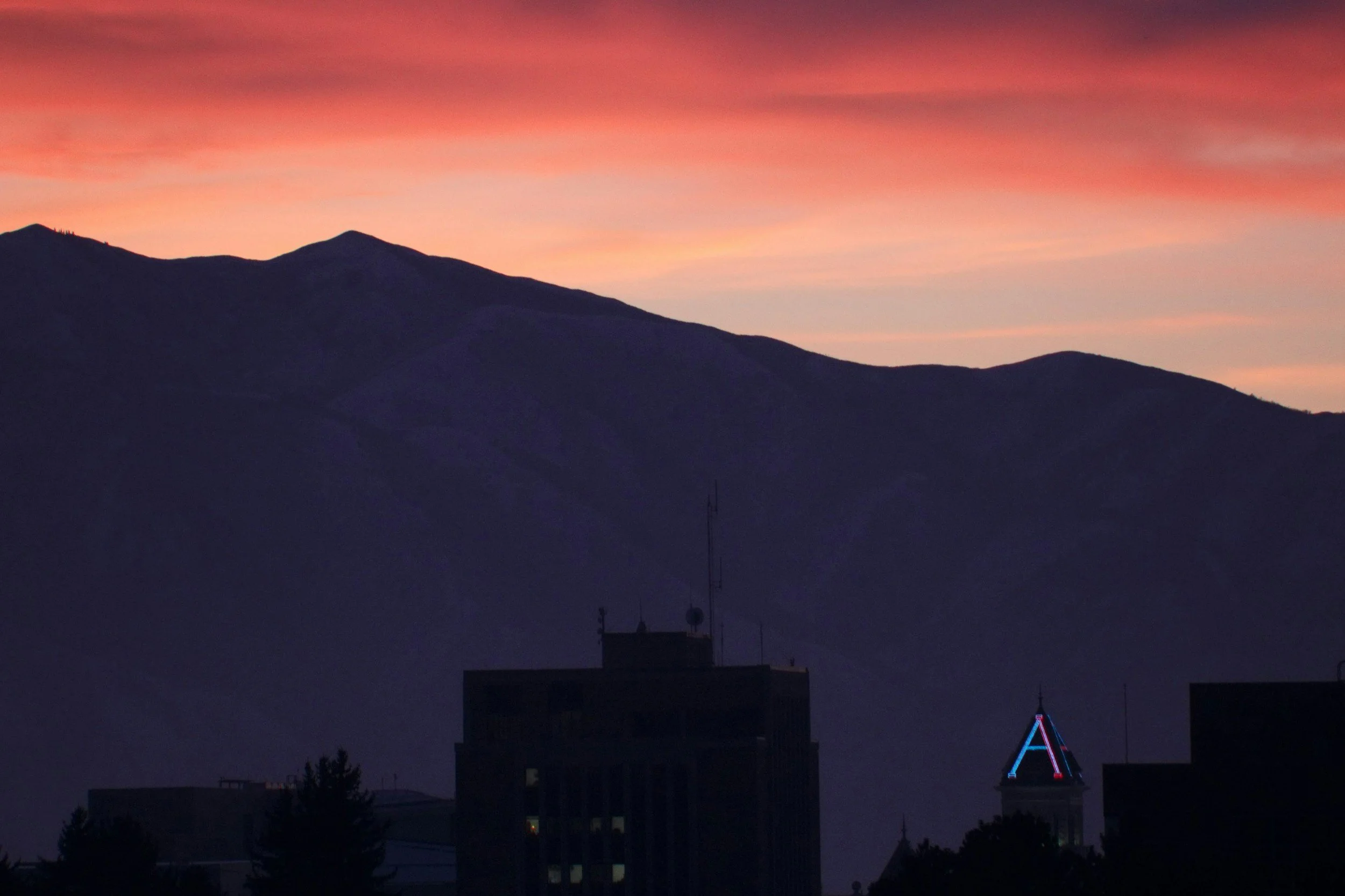
In a persistent climate of anti-trans hatred that has gripped Utah for over four years, the University of Utah healthcare system abruptly announced last month that it will be pre-emptively abandoning trans kids on hormone replacement therapy.
“We recognize that this change may be distressing,” the institution’s media relations team responded in a deadpan statement to inquiries about the abrupt decision. Why the decision was made and whether the healthcare system may jeopardize healthcare for trans adults went unanswered.
The University system shuttered its clinic for trans kids in 2023, following what conservative lawmakers touted as a needed moratorium to better study the effects of hormone replacement therapy among children. Trans youth already being treated in Utah were allowed to continue HRT even as doctors were barred from beginning new gender-affirming treatment during this time.
But the conservative bluster that they were acting with compassion for children has been belied by the fact that the requested report on hormone replacement therapy was ignored by the very politicians who ordered it. As reported by the Salt Lake Tribune, the state-commissioned review supported hormone replacement therapy for trans kids who request it. The report was released but state democrats were not notified, the report received no public comment, and its findings were immediately derided by Utah conservatives.
Members of the state’s Republican supermajority, among which the state’s conservative Mormon faith is overrepresented, had already made up their minds. As Utah House Speaker Mike Schultz told Desert News, itself owned by the Mormon church, “Kids should not be transitioning. Period. End of story. Minors should not be transitioning. Period. End of story.”
Commissioning the report was nothing but performative, another wound in a state that has already suffered a sports ban for trans children, the nation’s first bathroom ban, discriminatory housing regulations, a state definition of binary sex assigned at birth, and more over the course of more than four years. The 2026 session is rife with the same hatred, seeing a slew of introduced anti-trans bills that intend to do everything from end public funding for trans healthcare at all ages, protecting school staff who intentionally misgender and deadname students to requiring insurers to cover the detransitions the state is now forcing on trans people. Among the litany is HB174, which would turn the 2023 moratorium into a full ban.
HB174 has already passed the Utah House. It has yet, as of this writing, to pass the state senate or be signed into law. But now citing “an evolving state and federal landscape for adolescent transgender care,” the state’s primary site for trans youth care will stop hormonal treatment for all its patients under 18 on April 15th of this year regardless of what happens to the bill. It’s estimated that the hospital was treating more than 100 trans youth who will now have to source care elsewhere themselves, as the University of Utah healthcare system has declined to assist their patients in getting HRT elsewhere.
Joselyn Romero, a therapist at Arches Healing and Growth who specializes in working with Utah’s trans children, was among those who waited in the too-short lines at the state capitol late last month to speak against the hormone ban the University clinic has already capitulated to.
“Speaking on the hill felt devastating,” Romero says. They see the damage that has been wrought, year in and year out, hoping that in sharing stories “something might soften” among the conservative caucus. But Utah Republicans have given up all pretense that their concerns are for children. “When lawmakers have already signaled their decision, it can feel less like testimony and more like pleading for basic humanity,” Romero says.
For those outside the beehive state, this state of affairs might feel expected. It’s Utah, a state that was settled by a religion that has made its persistent animus against transgender people and queer people abundantly clear – the association between the faith’s emphasis on strict gender roles and hateful legislation supported by the church’s members standing out as starkly clear. And so transgender people in Utah are often expected to either suffer or leave the state as trans rights are rolled back in the state year by year. It’s a sentiment that feeds a feeling of emotional abandonment that leaves trans people in Utah, of all ages, feeling isolated.
“The emotional landscape for trans kids and their families in our state is heavy, much heavier than most outsiders realize,” Romero says. The key feeling is not being disappointed or disheartened, they say. It’s grief. It’s personal pain. “For years, many of these families have lived through repeated cycles of fear and uncertainty as one harmful bill after another has been introduced.” Even in Utah’s short general session, only 45 days, anti-trans bills repeatedly take priority even in a state that’s doing little about its toxic air, unhoused people in need of assistance, and the fact the Great Sale Lake is drying into a puddle.
The fact that doctors are now turning their backs on patients has only intensified fear and despair among Utah’s trans community. “It felt like watching a trusted lifeline pull away when it mattered most,” Romero says, a betrayal and not the neutral policy shift the institution presents the change as, adding “It’s getting too much to carry all at once.”
The effects will ripple far beyond Utah. The University of Utah healthcare clinic was situated in the middle of the Intermountain West, connected to the surrounding states by the city’s airport, Interstate 80 running east and west and Interstate 15 running north and south. Surrounded by states with their own restrictions and care bans, the U. clinics served trans children who lived hundreds of miles away. Distances that required flights or hours of driving by car, a doctor’s visit potentially taking days to reach and return from.
“Many people don’t realize but for years, families from Idaho, Wyoming, Arizona, Nevada, and even parts of Montana have relied on the University of Utah health system because their own states had fewer resources, fewer specialists, or increasingly hostile legislation,” Romero says. For many, there is now nowhere else within reach to turn to. “It was an oasis in a vast region where affirming medical care is already scarce,” Romero says. Trans children who might look to Denver clinics for care, for example, now have to contend with 80 minute flights or eight hours of driving one way, at least.
The anger is real, Romero says, and should not be pushed away. “I remind families and youth that they are not imagining the harm,” Romero says. This is trauma, repeated annually as Utah republicans have changed maps and voting rules to keep their grip. For those directly affected, and for those watching lawmakers steamroll over any call for compassion much less equal rights, Romero encourages focusing on what trans people can still do for ourselves and each other.
“Protecting mental health, staying connected to affirming people, keeping routines, and anchoring in places where kids are seen and loved exactly as they are,” are all critical, Romero says. And for those not directly affected, but who have every reason to fear what Utah will do next, connection remains paramount. “Isolation is what these policies rely on,” they note, community doing what governments and health systems fail to do.
In this moment, as they see trans kids emotionally and socially withdraw, Romero stresses the importance of reaching out. Of not letting the betrayals and heinous behavior of politicians lead to isolation. To trans children, Romero says “The systems are failing you, not because you are wrong, but because you exist in a world still catching up to your truth.”
May the world catch up faster than it has.
Riley Black (she/they) is the award-winning author of The Last Days of the Dinosaurs, When the Earth Was Green, and many other books about fossils. She’s a regular contributor for publications such as National Geographic, Smithsonian, and Slate, and has regularly shared her expertise about fossils on programs such as All Things Considered, Science Friday, and NOVA. Riley has also worked as a science consultant for movies including the Jurassic World franchise and Mitchells vs. the Machines, and joins museum crews each summer in the search for new fossils.



Conservatives want trans people dead, their actions in Utah and throughout the country point to this fact.
Heartbroken for our youth in Utah.